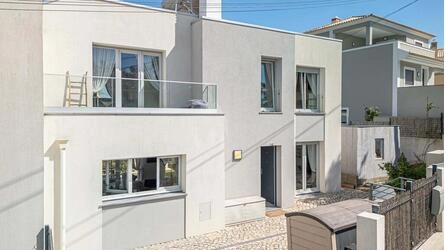
Portugal Real Estate Forecast 2026: What Investors Should Expect
The Portuguese property market has been one of Europe’s standout performers in recent years, with sustained price growth, strong international demand, and limited supply driving valuations higher. As we approach 2026, investors are asking: what’s next? This forecast brings together the most current data and expert insights to help you understand the dynamics shaping Portugal’s real-estate market over the coming year.

2025 Was Another Strong Year in Portugal
Recent reports show that Portuguese housing prices continued to climb through 2025, driven by structural demand and supply constraints. Markets have seen double-digit year-on-year price increases, with average values rising significantly across most property types.
Outlook for 2026: Continued Growth, But Moderation Expected
Price Appreciation Will Persist — Slower But Positive
Market projections for 2026 indicate that home prices in Portugal should continue to rise, though at a more moderate pace compared to recent years. Analysts suggest price growth of around 6–8 % annually through 2026, supported by ongoing demand and limited new supply.
This moderation reflects evolving market conditions such as tighter credit, rising transaction costs, and efforts by policymakers to increase supply. Despite slower growth, property values remain on an upward trajectory, making real estate a compelling long-term asset.
Interest Rate Environment and Affordability
Borrowing conditions will play a key role in shaping demand in 2026. As inflation pressures ease and central banks signal gradual rate adjustments, mortgage rates may become more favourable, improving affordability for domestic buyers. A slight easing in rates could stimulate demand without triggering overheating.
Supply Constraints Will Support Prices
Despite some policy initiatives aimed at boosting housing supply, construction levels remain well below demand in most regions. Limited approvals and high construction costs are persistent issues that will continue to underpin price support.
Rental Market Trends in 2026
Rental prices are also expected to trend upward through 2026, although growth will likely remain slower than property prices. Current data shows rents rising modestly as demand continues to exceed available stock, particularly in Lisbon, Porto and coastal regions like the Algarve.
This environment may offer opportunities for investors who prioritise rental income — particularly where short-term tourism and long-term residency demand overlap, such as in prime coastal and urban locations.
Regional Diversification Opportunities
Lisbon and the Algarve remain strong performers with premium pricing and steady demand. However, emerging secondary markets like Braga, Setúbal and Coimbra are attracting attention due to relative affordability, increasing local demand, and expanding economic activity.
Investors seeking higher relative capital appreciation and rental yield may find value in these growing markets, which benefit from demographic growth, remote work trends, and expanding transport connectivity.
Policy and Public Housing Initiatives
Government efforts to address the housing shortage include fiscal incentives and large-scale public housing programs aimed at increasing the supply of affordable homes. Plans for tens of thousands of new units under programs like the Recovery and Resilience Plan (PRR) could impact market dynamics by introducing more supply over the medium term.
However, the immediate impact on private market prices is expected to be limited through 2026, as public and affordable housing targets are realised gradually.
Foreign Investment and Global Positioning
Portugal continues to attract significant foreign investment from North America, Europe and beyond. Lisboa’s inclusion in European real-estate investment rankings highlights the country’s appeal to international capital.
For investors from the US, UK, and other major markets looking for diversification, Portugal’s property market remains one of the more attractive options in Europe due to its stability, lifestyle appeal and historically strong price performance.
Risks and Market Challenges
Despite robust fundamentals, several risks could influence the market in 2026:
- Affordability pressure: Supply shortages and rising prices may continue to challenge local buyers.
- Regulatory changes: Fiscal shifts such as higher transaction taxes for non-residents could dampen foreign demand.
- Macroeconomic uncertainty: Global economic shifts, interest rate policy changes, and construction costs remain key variables.
A Balanced Outlook for 2026
In summary, Portugal’s real-estate market is expected to remain strong overall in 2026, with continued price appreciation, robust demand, and healthy investment interest. Growth is likely to be more moderate than recent spectacular years, offering a more balanced market with opportunities for strategic investors. Understanding regional trends, rental dynamics, and policy impacts will be crucial for maximising returns in the coming year.
Looking to capitalise on Portugal’s 2026 real-estate trends? Contact Maravista for a free, personalised market consultation with one of our specialists. We can help you align your investment strategy with the latest forecasts and opportunities.